SPECS AOMD – Smart Oil Mist Detection for Safer Engine Rooms
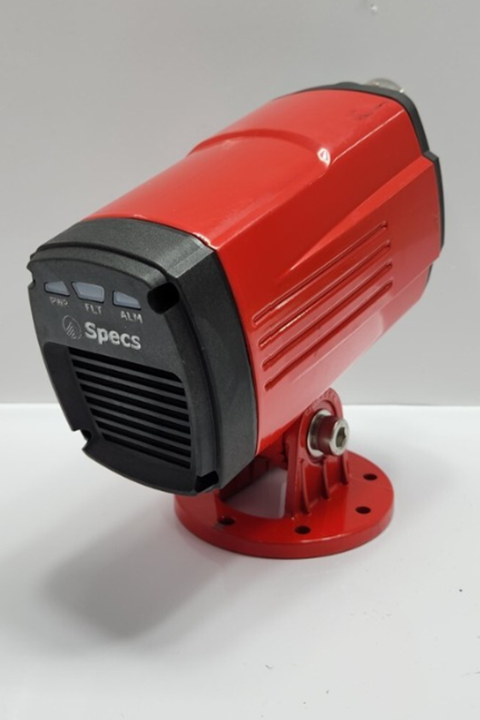
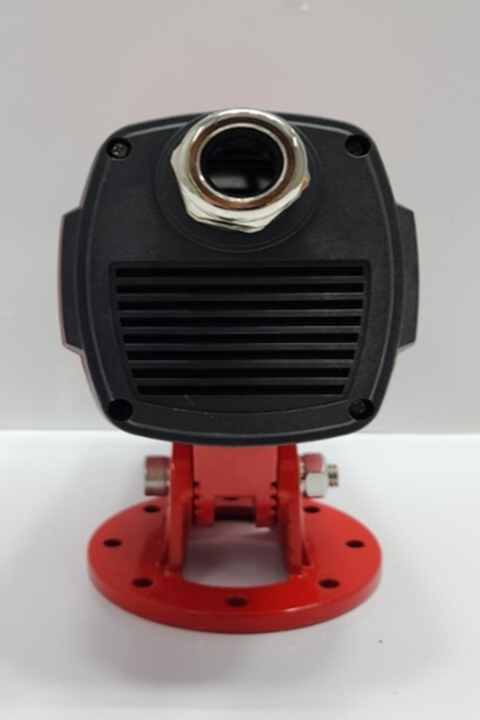
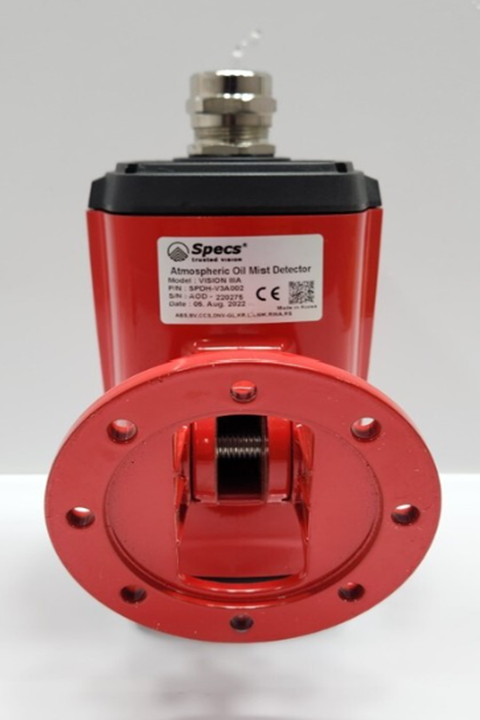
The SPECS Atmospheric Oil Mist Detector (AOMD) is an advanced fixed oil mist detection solution designed for continuous monitoring of airborne oil mist in marine and industrial machinery spaces. The system helps detect abnormal oil mist concentrations at an early stage, enabling operators to take corrective action before hazardous conditions develop.
Oil mist can be generated by lubrication oil leaks, fuel systems, hydraulic equipment, mechanical failures, or oil coming into contact with high-temperature engine components. If not detected promptly, excessive oil mist can increase the risk of machinery fires, equipment damage, and unplanned vessel downtime.
The SPECS AOMD continuously monitors the surrounding atmosphere using advanced infrared optical detection technology. When oil mist concentrations reach preset alarm levels, the system provides rapid visual and audible alarm indications and can transmit signals to the vessel’s Integrated Automation System (IAS), Alarm Monitoring System (AMS), or Engine Control Room.
Key Benefits
Early Detection of Hazardous Oil Mist
Identifies abnormal airborne oil mist concentrations before they develop into potentially dangerous conditions.Enhanced Engine Room Safety
Provides continuous monitoring of machinery spaces to help reduce the risk associated with oil mist accumulation.Reduced Fire Risk
Early detection allows crew to investigate potential oil leaks, overheating equipment, or mechanical abnormalities promptly.Protection of Critical Machinery
Helps identify developing equipment problems before they result in major machinery damage or operational failure.Continuous Real-Time Monitoring
Provides ongoing atmospheric oil mist monitoring without relying solely on manual inspection.Fast Alarm Response
Immediate alarm indication enables operators to take corrective action quickly.Improved Crew Safety
Supports safer working conditions by providing early warning of abnormal oil mist levels.Reduced Unplanned Downtime
Early identification of potential problems can help prevent costly machinery breakdowns and vessel delays.Easy System Integration
Communication interfaces allow connection with vessel automation, alarm, and monitoring systems.Support for Preventive Maintenance
Oil mist monitoring can assist maintenance teams in identifying abnormal operating conditions at an early stage.
Advanced Infrared Oil Mist Detection Technology
The SPECS Atmospheric Oil Mist Detector (AOMD) uses advanced infrared optical sensing technology to continuously monitor airborne oil mist within marine engine rooms and machinery spaces. Its high-sensitivity detection system accurately identifies increasing oil mist concentrations, providing dependable performance even in demanding marine environments.
By delivering continuous real-time monitoring, the system enables early detection of lubrication oil leaks, fuel system faults, hydraulic leaks, and overheating machinery. This proactive approach helps reduce fire risks, protect valuable equipment, and improve overall vessel safety.
Continuous Engine Room Monitoring & Early Warning
The SPECS AOMD continuously samples the surrounding atmosphere and measures oil mist levels against preset alarm thresholds. When abnormal concentrations are detected, the system immediately activates visual and audible alarms, allowing crew members to respond before hazardous conditions escalate.
Its rapid response capability supports safer engine room operations by minimizing the risk of machinery damage, operational downtime, and engine room fire incidents. Continuous monitoring also enhances crew awareness and improves preventive maintenance planning.
Seamless Integration with Marine Automation Systems
Designed for modern vessels, the SPECS Atmospheric Oil Mist Detector integrates easily with Integrated Automation Systems (IAS), Alarm Monitoring Systems (AMS), and Engine Control Room (ECR) through reliable communication interfaces such as RS-485 and RS-422.
This seamless integration enables centralized alarm management, real-time monitoring, and efficient system diagnostics. Operators benefit from improved situational awareness and faster decision-making, helping maintain safe and reliable vessel operations.
Key Features
- Continuous real-time atmospheric oil mist monitoring
- Advanced infrared optical sensing technology
- Fast detection of increasing oil mist concentrations
- Reliable operation in demanding marine environments
- Visual and audible alarm indication
- Preset oil mist alarm thresholds
- RS-485 / RS-422 communication interface
- Integration with IAS, AMS, and Engine Control Room systems
- Suitable for continuous machinery space monitoring
- Compact and practical fixed monitoring solution
- Designed for marine and industrial oil mist detection applications
- Supports early identification of potential oil leaks and abnormal machinery conditions
- Suitable for new installations and retrofit applications
TECHNICAL SPECIFICATION
| Specification | Details |
|---|---|
| Product | SPECS Atmospheric Oil Mist Detector (AOMD) |
| Detection Principle | Infrared optical detection |
| Monitoring | Continuous atmospheric oil mist monitoring |
| Measurement | Airborne oil mist concentration |
| Alarm | Visual and audible alarm indication |
| Communication | RS-485 / RS-422 |
| System Integration | IAS / AMS / Engine Control Room |
| Installation | Fixed monitoring system |
| Applications | Engine rooms, generator rooms, purifier rooms, pump rooms, machinery spaces |
| Suitable For | Marine, offshore, and industrial applications |
Reliable Protection for Marine & Offshore Applications
The SPECS AOMD is suitable for commercial ships, offshore platforms, FPSOs, tankers, bulk carriers, container vessels, and industrial facilities where continuous atmospheric oil mist monitoring is essential. Its robust construction ensures stable performance in harsh marine operating conditions.
By providing early warning of hazardous oil mist accumulation, the system helps protect critical machinery, improve engine room safety, reduce maintenance costs, and support compliance with international marine safety standards, making it a trusted solution for modern marine operations.
Applications
The SPECS Atmospheric Oil Mist Detector is widely used in:
- Marine engine rooms
- Generator rooms
- Purifier rooms
- Pump rooms
- Fuel treatment systems
- Machinery spaces
- Offshore platforms
- FPSOs
- Engine control rooms
- Industrial facilities requiring oil mist monitoring
Get in Touch
Looking for SPECS Atmospheric Oil Mist Detector supply, installation, or service support?
Contact Swift Marine Tech Service for expert assistance, genuine products, and reliable marine solutions tailored to your vessel requirements in UK Region.
Engineered for Safety. Designed for Reliability. – SPECS AOMD
Smarter Detection. Reliable Protection. – SPECS AOMD
The SPECS Atmospheric Oil Mist Detector (AOMD) is a high-performance marine oil mist detection system designed to continuously monitor airborne oil mist in engine rooms and machinery spaces. Using advanced infrared optical sensing technology, the system provides rapid and accurate detection of oil mist generated from lubricating oil leaks, fuel systems, hydraulic equipment, or overheating machinery. Early detection allows vessel operators to respond before hazardous conditions develop, helping protect personnel, machinery, and the vessel.
The SPECS AOMD integrates seamlessly with Integrated Automation Systems (IAS), Alarm Monitoring Systems (AMS), and Engine Control Room (ECR) through reliable communication interfaces, enabling real-time monitoring and immediate alarm notification whenever abnormal oil mist concentrations are detected.